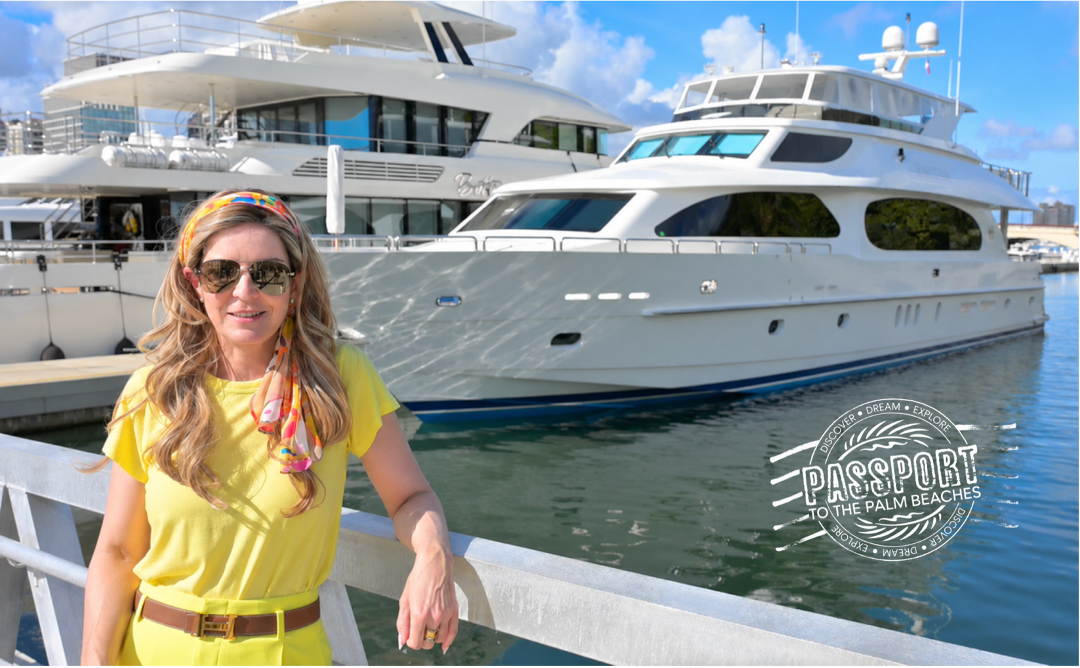
Life on the water, especially at the Palm Beach Marina, comes with plenty of perks including sparkling Intracoastal views, ocean breezes, unforgettable sunsets and ample days spent soaking up the Florida sunshine. But as anyone who spends time on a boat knows, all that sun exposure comes with a need to protect your skin.
It's a topic that has been making headlines lately. From new advancements in sunscreen technology to growing conversations around skincare and healthy aging, experts continue to emphasize a simple truth – when it comes to skin health, it always starts with prevention. For boaters, that's advice worth taking seriously.
The effects of sun exposure aren't always immediate. While sunburn gets most of the attention, dermatologists point out that ultraviolet radiation also contributes to premature skin aging, discoloration, loss of elasticity and, more importantly, an increased risk of skin cancer. Those long-term effects were recently highlighted in a Wall Street Journal article that followed a 70-year-old man after his twentieth surgery to remove skin cancer from his face. One lesson emerged repeatedly throughout the article: years of sun damage are far easier to prevent than reverse.
That focus on prevention helps explain why a recent development in sunscreen technology generated national attention. PBS NewsHour recently reported on the FDA's recent approval of bemotrizinol, the first new sunscreen ingredient approved in the United States in more than 20 years. However, sunscreen technology continues to evolve, and experts agree that consistency remains more important than any single ingredient. The best sunscreen is still the one you apply regularly and reapply throughout the day.
Remember that at least an SPF of 50 is the best for real cover up protection. If you are looking for premium skincare options, you may gravitate toward brands like Augustinus Bader, Kosas, La Roche Posay and EltaMD, which offer sophisticated formulations designed to feel lightweight, blend seamlessly into the skin and complement daily skincare routines. If you prefer something lighter (though less resistant to sweat and water), Japanese favorites like Skin Aqua are known for their silky finish, while reef-conscious mineral sunscreens remain a popular, more natural option. Do you like your sunscreen sticky and long lasting, even if it's harder to apply? Banana Boat Sports 50 SPF is a dependable, moderately priced option that's widely available. There are also plenty sunscreens designed specifically for the face. The best sunscreen, however, is the one you'll actually wear. Pick the one or ones you really like, and stick with them, reapply regularly, and stay healthy.
A day on the water doesn't feel the same as a day spent indoors, and your skin knows it. Spending time aboard a yacht or cruising the waterways often means receiving sunlight from more than one direction. In addition to direct sun exposure, UV rays can reflect off the water's surface, increasing overall exposure. Even on cloudy afternoons, ultraviolet rays can penetrate through, making daily sun protection an important part of any boating routine.
Unlike a quick walk around town or lunch on a shaded patio, boating often means hours of continuous exposure to the elements. What begins as a leisurely cruise can quickly become four, six or even eight hours under the South Florida sun. Over time, those hours add up.
Spend enough time around marinas and you'll notice something interesting – the people who spend the most time in the sun are often the most covered up. Captains, crew members and seasoned boaters rarely rely on sunscreen alone. Instead, many take a layered approach that combines sunscreen with lightweight apparel, hats, sunglasses and shade whenever possible.
Today's technical fabrics are specifically designed for life outdoors and often come with their own SPF rating. Breathable, moisture-wicking and comfortable even during South Florida's warmest months, they help reduce prolonged sun exposure without sacrificing comfort on the water. At the Palm Beach Marina, you'll often spot guests sporting sun-protective gear. Looking to add an extra layer of protection to your next day on the water? Explore our collection of marina-branded shirts, hats and accessories, thoughtfully designed for the Palm Beach boating lifestyle.
Protecting your skin doesn't require an elaborate routine or expensive products. Most dermatologists recommend a few straightforward habits:
None of these steps are complicated, but together they can make a significant difference over time.
At the Palm Beach Marina, we believe some of life's best moments happen on the water. Whether you're cruising the Intracoastal Waterway, exploring Worth Avenue, dining waterfront or simply enjoying a sunset from the dock, Palm Beach is a destination best experienced outside and in the elements.
The South Florida sun is part of what makes this place so special. The trick isn't escaping it, it's being prepared for it. A little sunscreen, a favorite hat and the right gear can go a long way toward helping you enjoy another beautiful day on the water. For slip reservations and Marina availability, visit www.TownofPalmBeachMarina.com.
Q: Why is sun exposure more intense on the water?
A: Sunlight doesn't just come from above. UV rays can reflect off the water's surface, increasing overall exposure throughout the day. Combined with the extended periods of time many boaters spend outdoors, this can lead to significantly more sun exposure than a typical day on land.
Q: What are some easy ways to protect my skin while in Palm Beach?
A: Whether you're spending the day at the Palm Beach Marina, strolling Worth Avenue, enjoying the beach or dining waterfront, simple habits can make a big difference. A combination of sunscreen, sun-protective clothing and smart habits offers the best defense against Florida's intense sunshine. Wear sunscreen daily and remember to reapply sunscreen throughout the day, stay hydrated, seek shade when possible and consider adding a hat or sun-protective apparel to your outdoor routine.
Q: What is the best sunscreen for boating in South Florida?
A: Dermatologists generally recommend a broad-spectrum sunscreen with SPF 50 or higher that protects against both UVA and UVB rays. Water-resistant formulas are ideal for boating, fishing and watersports. Whether you choose a mineral or chemical sunscreen, the most important factor is applying enough and reapplying every two hours—or more often after swimming or excessive perspiration.
Q: Why do experienced boaters and yacht captains wear long-sleeved performance shirts?
A: Seasoned boaters know that sunscreen works best when combined with physical sun protection. Lightweight UPF-rated performance apparel helps shield your skin from prolonged UV exposure while remaining breathable and comfortable in South Florida's warm climate. That's why you'll often see captains, anglers and experienced boaters covered up, even on the hottest days.
Q: What is bemotrizinol, and why is everyone talking about it?
A: Bemotrizinol is a next-generation sunscreen ingredient that provides broad-spectrum UVA and UVB protection. After being widely used internationally for years, it recently became the first new sunscreen ingredient approved by the FDA in more than two decades. While it's an exciting advancement, dermatologists emphasize that regular sunscreen use and consistent reapplication remain the keys to protecting your skin.
Q: What should I pack for a day of boating at the Palm Beach Marina?
A: For a comfortable day on the water, pack broad-spectrum sunscreen, polarized sunglasses, SPF lip balm, a hat, plenty of water and UPF-rated clothing. Looking for an extra layer of protection? Browse the Palm Beach Marina store for marina-branded hats, performance shirts and boating accessories designed for life on the water. They make practical additions to your boating gear and great Palm Beach souvenirs.
Q: Can you still get sunburned on cloudy days while boating?
A: Yes. Up to 80% of ultraviolet rays can pass through clouds, meaning your skin can still be damaged even when the sun isn't shining brightly. Whether you're cruising the Intracoastal Waterway or relaxing at the Palm Beach Marina, daily sun protection is recommended regardless of the weather.